Finding papers is easy. Finding a meaningful research gap is where most proposals stall. The good news: gaps are not discovered by luck. They come from a repeatable process.
Step 1: Start narrow, not broad
"Machine learning in healthcare" is a field, not a topic. Narrow it by population, context, method or outcome — for example, "machine learning for early sepsis detection in low-resource hospitals".
Step 2: Read the newest reviews first
Systematic reviews and meta-analyses from the last three years summarise what is known and — crucially — what is not. Their "future research" sections are a shortlist of gaps written by experts.
Step 3: Build a literature matrix
Put 15–25 key studies into a matrix with columns for method, sample, context and findings. Patterns appear quickly: the same method everywhere, one region over-studied, one population never included. (Grab the free Literature Review Matrix Template in the resources library.)
Step 4: Name the type of gap
Most gaps fall into one of these:
| Gap type | What it looks like |
|---|---|
| Population | Studied in adults, never in adolescents |
| Context | Studied in the US/UK, not in South Asia |
| Method | Only surveys, no longitudinal or experimental work |
| Theory | Findings never explained with a framework |
| Evidence | Studies disagree and nobody knows why |
| Practical | Known in research, never tested in practice |
Step 5: Test it with the "so what?" question
A gap is only worth filling if someone benefits. Write one sentence: "If we knew X, then Y could do Z better." If you cannot finish that sentence, keep looking.
Quick checklist
- The gap is supported by at least 3 recent sources
- It is narrow enough to study within your time and budget
- You can access the data you need
- The "so what?" sentence is convincing
Want a second pair of eyes on your gap before you write the proposal? Book a free consultation.
Reach students and researchers with a clearly labelled placement.
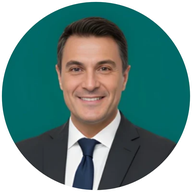
From Miraz Uddin
Miraz Uddin is a research and thesis mentor based in Bangladesh. He offers free research tools and guides, plus one-to-one mentoring, data analysis, editing and publication support for students and researchers worldwide.
About Miraz Uddin
Questions & discussion